
Fero-Term — DOOH Campaign Video
Fero-Term — DOOH Campaign Video
A 3D interior animation built for digital outdoor screens.
 Blender
 Adobe After Effects
 Adobe Premiere Pro
 DaVinci Resolve
 PureRef
[ Intro ]
Outdoor screens don't wait for you.
Fero-Term wanted their bathroom and lighting range on digital billboards, a format where nobody stops to watch and there is no sound to help. The whole story has to land while someone walks past.
The Concept
The format was fixed and unusual: 1024×480 pixels, roughly twice as wide as it is tall, no sound, and a few seconds of attention from someone walking past a screen. Fero-Term had interior visuals and a product list, not a film.
A DOOH screen is not a website: nobody scrolls back, nobody unmutes, nobody waits for the payoff. Whatever the picture says, it says in the first second or not at all.
So instead of cutting between product shots, we treated the screen as a window into one room. A single continuous camera move through a lit interior, with the products placed where the eye lands anyway.
The Process
Each product was rebuilt as a clean 3D model from Fero-Term’s references. From blockout to final frame, the scene was built once and refined in passes: layout, light, materials, grade.
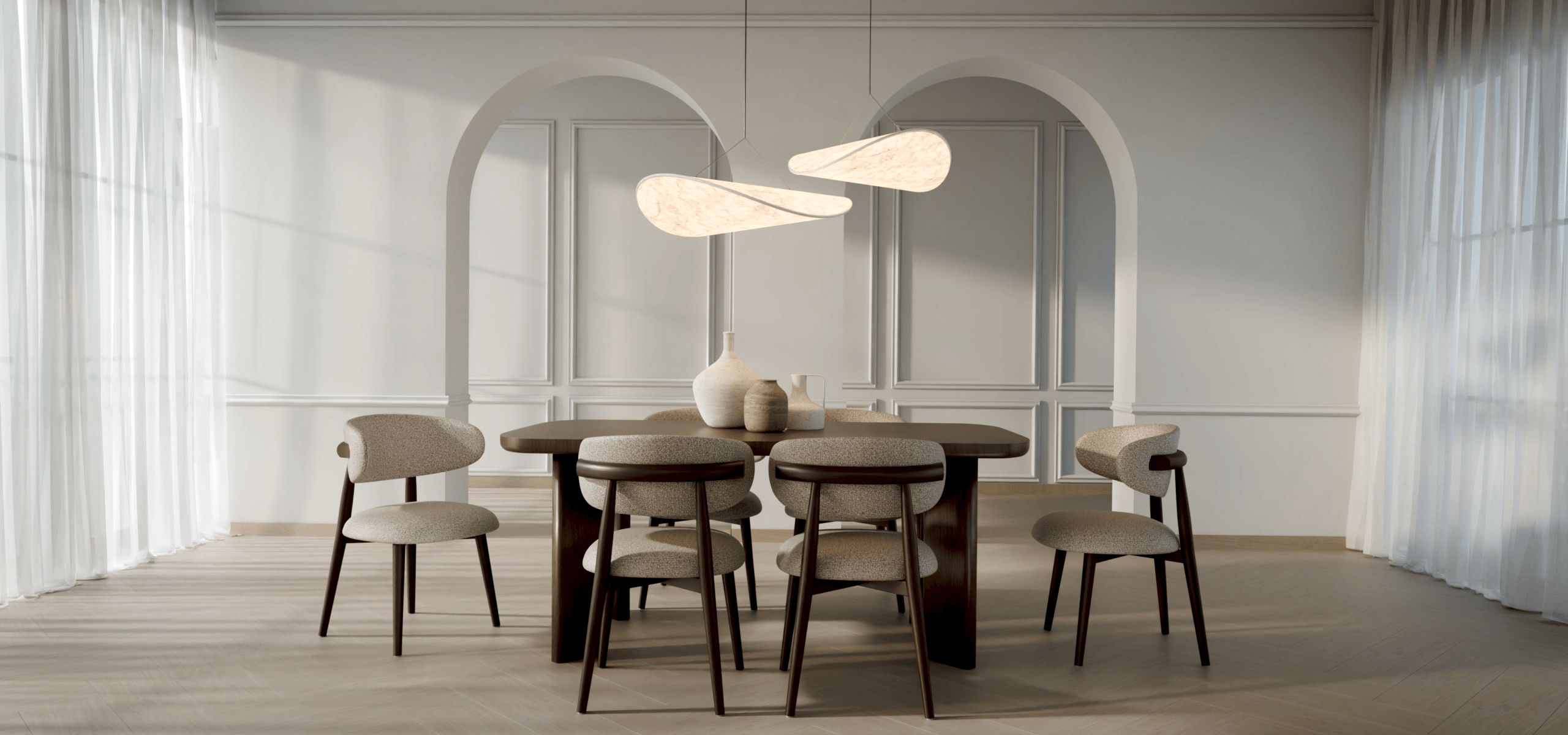
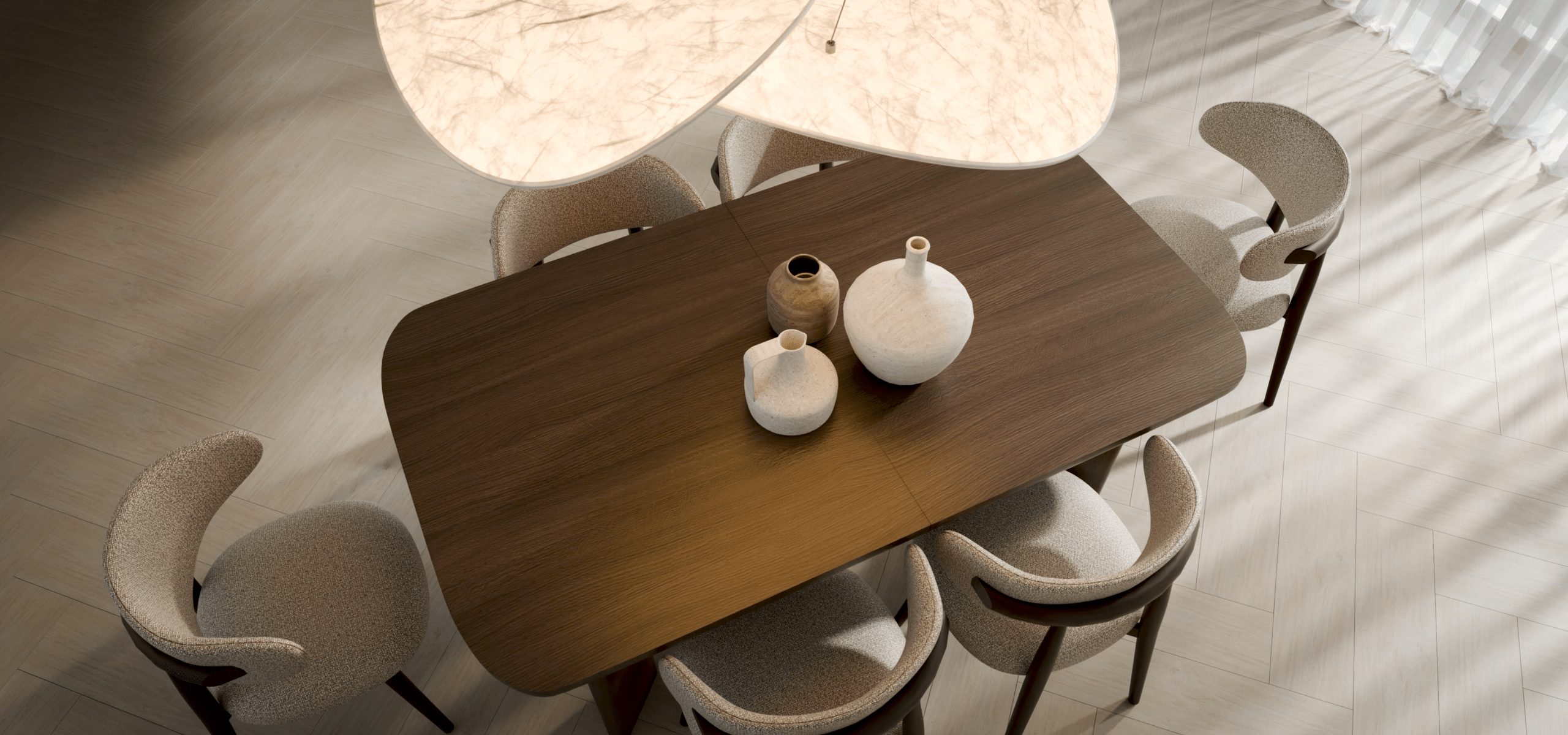
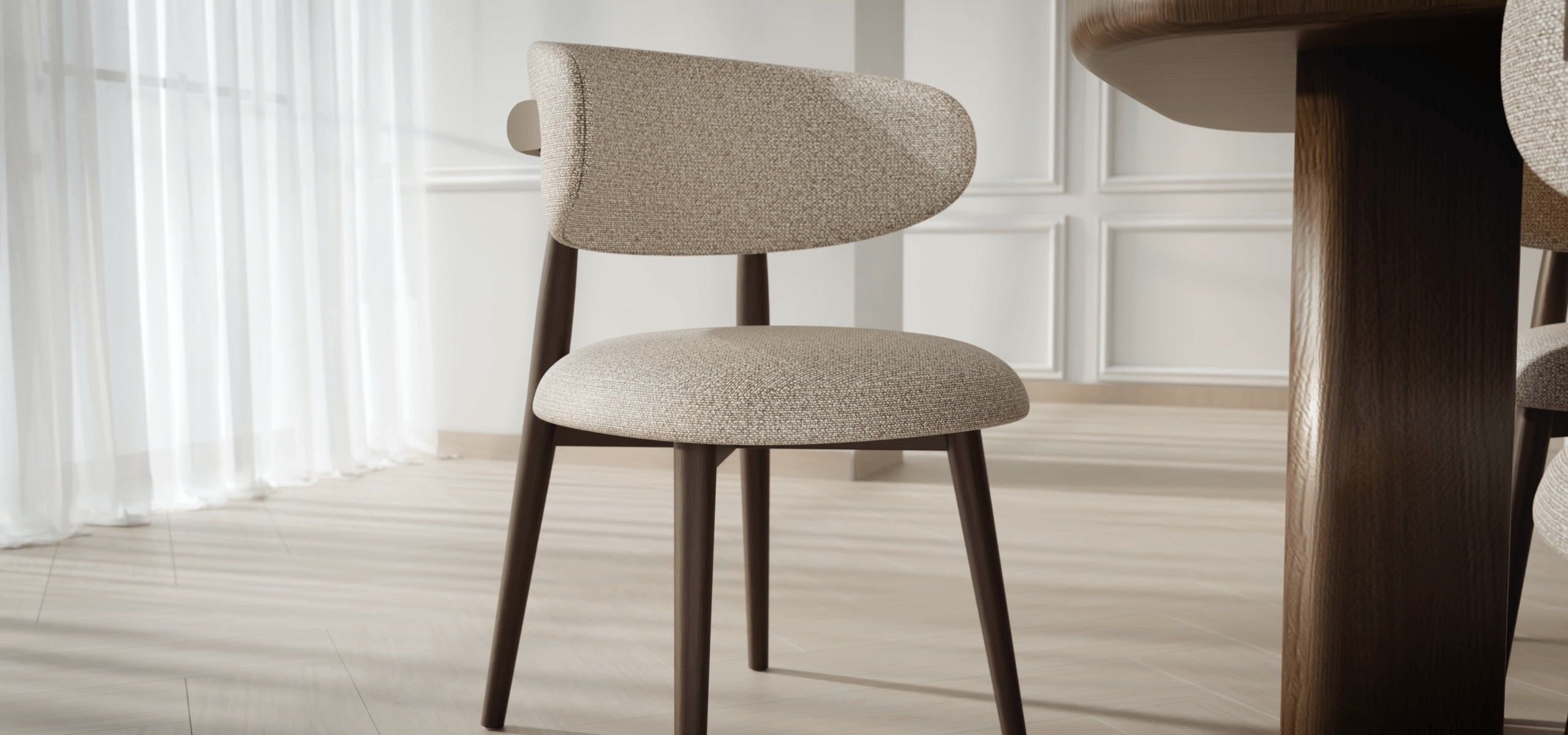
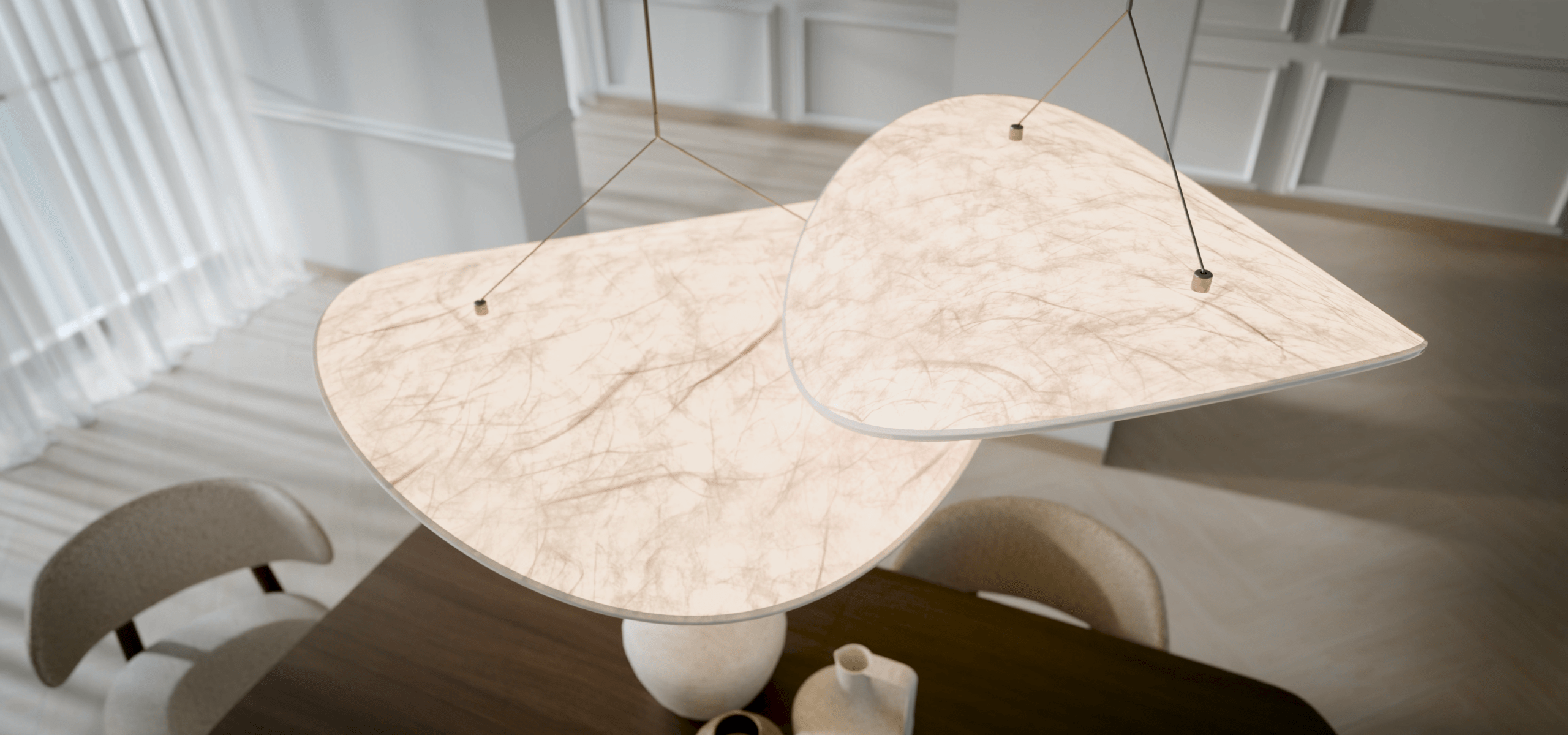
After the first version, we tightened the render and adjusted the interior based on Fero-Term’s feedback, then locked the look.
The Assets
Every product in the scene also exists as a standalone 3D asset. Once modelled, it can be re-lit, re-posed and re-rendered for the next campaign, the web shop or a catalogue page — without a photoshoot.
The Result
Delivered in three resolutions at once — a 4K master, the exact DOOH format, and a spare aspect ratio for other placements. The animation ran on outdoor screens as part of Fero-Term’s campaign; the same frames now carry over to the web shop and print.
The scene stays on file, so the next campaign doesn’t start from an empty room: swap the product, move the camera, render again. That is the difference between paying for a video and paying for a set you keep.
Why This Works for Catalogue Brands
Photographing an interior means building it first — a showroom, a stylist, a day of shooting, and one fixed result. Rebuilt in 3D, the same room takes any product in the catalogue, any finish, any camera move, at any screen size the media buy asks for.
For a brand with hundreds of SKUs, that is the whole argument: the room is built once and every product after it costs a fraction of the first.
Credits
Client · Fero-Term
CGI & Animation · Studio Cauldron
Year · 2025
Have a similar product?
Start a project